Meteora
Greece ·
Description
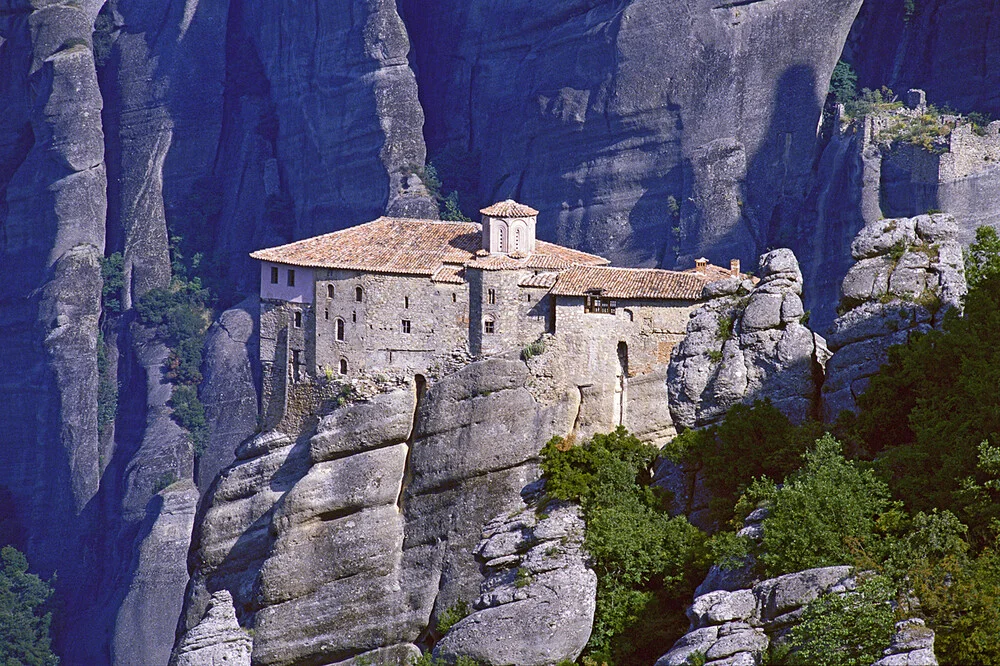
Meteora defies gravity and logic. Six active monasteries crown 400-meter sandstone pillars emerging from the Thessaly plain like stone fingers reaching for the sky. 14th-century monks climbed these vertical walls seeking spiritual isolation, building refuges where carved stairs and net elevators were the only connection to the earthly world.
Why It's a World Heritage Site
Meteora represents a unique fusion of architectural achievement and natural geological formation. UNESCO recognized the monasteries as exceptional examples of monastic architecture and the landscape as an extraordinary geological phenomenon. The site testifies to the spiritual transformation of Byzantine hermits.
UNESCO Criteria
Frequently Asked Questions
Six of the original 24 remain active and visitable: Great Meteoron, Varlaam, Roussanou, St. Nicholas, St. Stephen, and Holy Trinity.
Yes, shoulders and knees covered. Monasteries provide wrap-around skirts for women in pants and visitors in short clothing.
Great Meteoron is the largest and most impressive. Holy Trinity offers the most photogenic views and fewer crowds.
With retractable rope ladders and basket nets hoisted by pulleys. Steps were only carved in the 20th century.
Yes, there are established routes for experienced climbers, but climbing the monastery rocks is forbidden.