Great Zimbabwe
Zimbabwe ·
Description
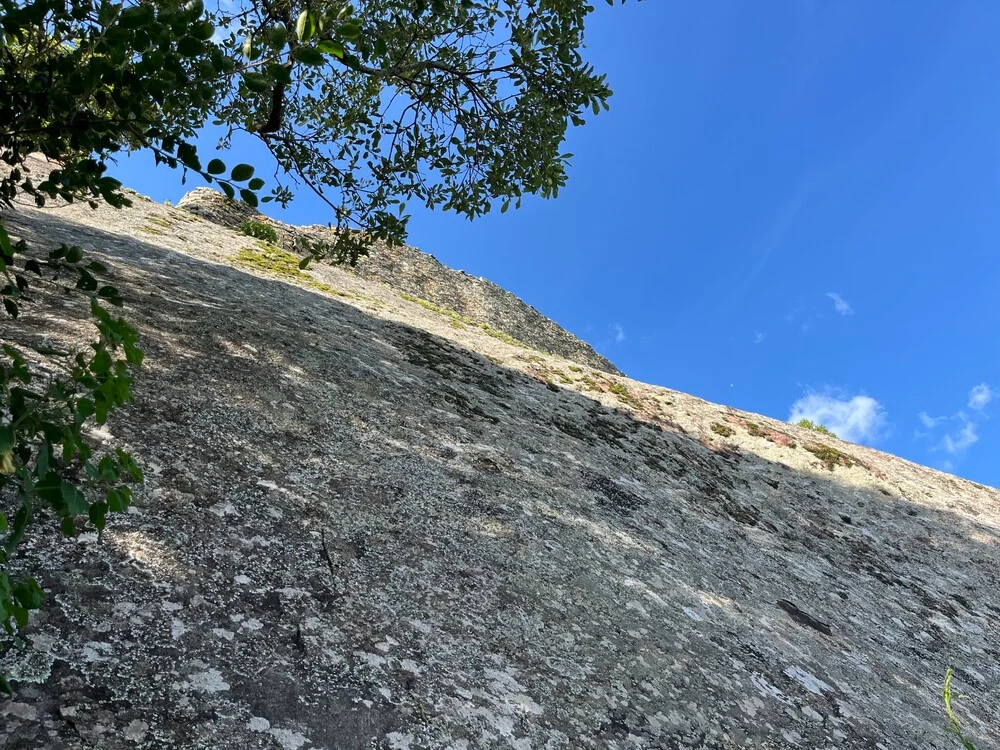
Between the 11th and 15th centuries, Great Zimbabwe was the heart of an empire that controlled gold and ivory trade between the African interior and the Swahili coast. Its stone walls, raised without mortar by Shona architects, reach 11 meters high with precision that amazed European colonizers, who refused to believe Africans had built them. The Great Enclosure, with its enigmatic conical tower, still holds mysteries.
Why It's a World Heritage Site
Great Zimbabwe provides exceptional evidence of Bantu civilization development without external influence, debunking colonial myths. The site documents unique construction techniques, sophisticated urbanism, and trade networks connecting sub-Saharan Africa with the Indian Ocean, Arabia, Persia, and China.
UNESCO Criteria
Frequently Asked Questions
From Harare it's 4-5 hours by road (300 km). From Masvingo, the nearest city, it's only 30 km. There are organized tours and public transport available.
Half a day allows seeing the Hill Complex, Great Enclosure, and Valley Complex. A full day includes the museum and time to absorb the atmosphere.
Zimbabwe means 'stone houses' in Shona. The country took its name from these ruins upon independence in 1980, reclaiming its pre-colonial heritage.
The Shona kingdom declined in the 15th century, possibly due to resource depletion, climate change, and new trade routes. The population dispersed to successor kingdoms.
The Great Zimbabwe Hotel is next to the site. There are also lodges and campsites nearby. Masvingo has more lodging options.