Galápagos Islands
Ecuador ·
Description
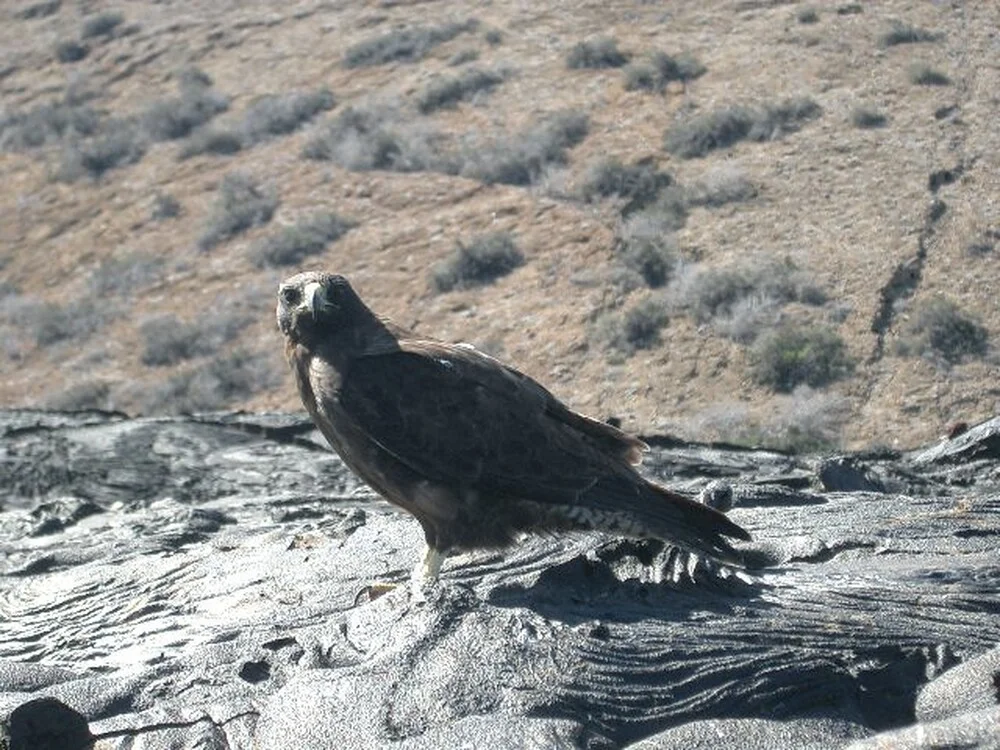
The Galápagos are a world apart where time is measured in geological eras. Marine iguanas that look like dragons sunbathe alongside playful sea lions. Century-old giant tortoises walk unhurried, while finches with diverse beaks tell the story of adaptation. Here nature still doesn't fear humans.
Why It's a World Heritage Site
The Galápagos inspired Darwin's theory of evolution. Their isolation created unique species like the marine iguana, flightless cormorant and 13 finch species. Each island is a natural experiment in adaptation, crucial for understanding terrestrial biodiversity.
UNESCO Criteria
Frequently Asked Questions
For their unique biodiversity with endemic species that inspired evolution theory, and exceptional marine ecosystems.
They were the first site inscribed in 1978, expanded with the marine reserve in 2001.
1,000 km off the coast of Ecuador, in the Pacific Ocean.
By cruise ship or island-based; a certified naturalist guide is required.
December-May: warm waters for snorkeling; June-November: more active marine wildlife.