Doñana National Park
Spain ·
Description
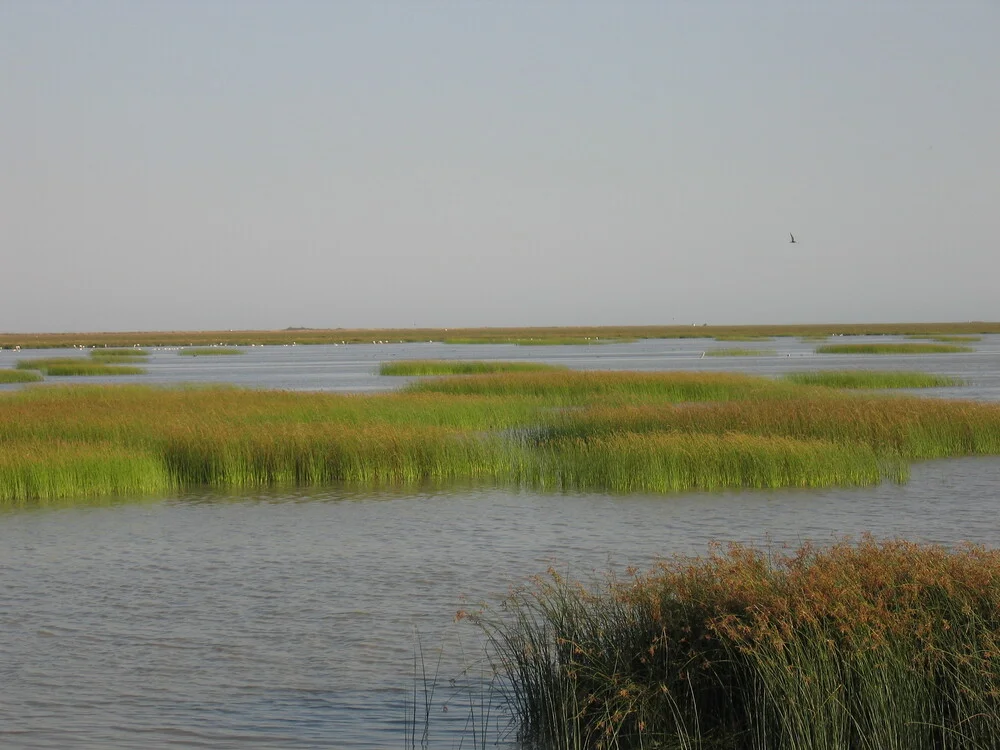
At the Guadalquivir's mouth, Doñana displays a mosaic of marshes, mobile dunes, pine and cork oak forests. Millions of migratory birds stop here between Africa and northern Europe. The Iberian lynx, the world's most endangered feline with barely 1,500 individuals, survives in these Mediterranean scrublands. Marismeño horses and fighting bulls graze freely in a landscape recalling what European nature looked like before humanity.
Why It's a World Heritage Site
Doñana is one of Europe's most important wetlands for conservation of migratory birds and threatened species. The park protects the last habitats of the Iberian lynx and Spanish imperial eagle, while harboring the continent's greatest ecosystem diversity in a single site.
UNESCO Criteria
Frequently Asked Questions
Most of the park is only accessible via guided 4x4 tours (4 hours). Visitor centers and peripheral trails are freely accessible.
Very difficult in Doñana. Best chances are in Sierra de Andújar (Jaén). In Doñana, specialized tours increase odds but don't guarantee sightings.
October-March for wintering birds (cranes, geese). April-June for breeding species. Dry marshes in summer have less ornithological interest.
No, private cars cannot enter the park. Authorized tours depart from El Rocío and Sanlúcar de Barrameda.
The village of El Rocío, next to the park, hosts Spain's most crowded pilgrimage at Pentecost. The rest of the year it's a ghost town with sandy streets.