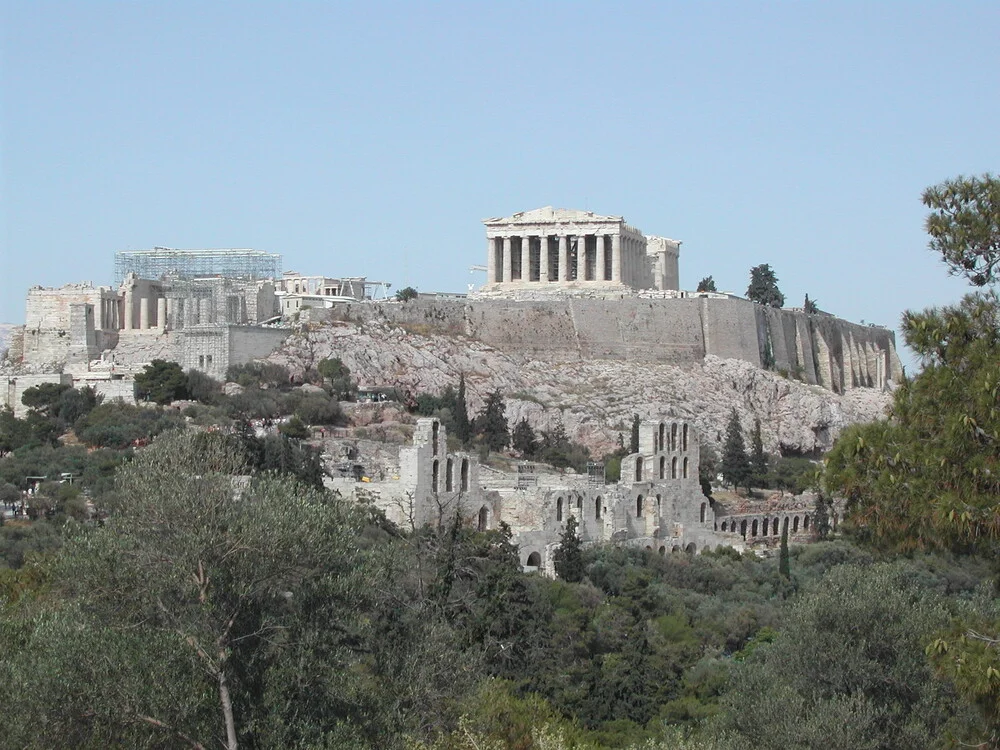
Acropolis, Athens
Greece ·
Description
The Acropolis is Western civilization's altar. The Parthenon dominates Athens with Pentelic marble columns that have inspired buildings from Washington to Berlin. The Propylaea, the Erechtheion with its caryatids and the Temple of Athena Nike tell 2,500 years of history. At sunset, the marble turns honey-colored and all Greece seems to revere this place.
Why It's a World Heritage Site
The Acropolis is the universal symbol of classical civilization. The Parthenon represents the culmination of the Doric order and has influenced world architecture for 25 centuries. It is exceptional testimony to Athenian democracy, philosophy and art that founded Western thought.
UNESCO Criteria
Frequently Asked Questions
For being the universal symbol of classical civilization and cradle of Western democracy, philosophy and art.
It was inscribed in 1987 under criteria (i), (ii), (iii), (iv) and (vi).
In central Athens, Greece, on a rocky hill 156 meters high.
Many are in the Acropolis Museum; the Elgin Marbles are in the British Museum (controversial).
Early morning or sunset; avoid midday hours due to heat and crowds.